Conversion Dynamics Linking Entry-Level Incentives to Elevated Reward Tiers via Funding Pathways in App-Driven Gaming Ecosystems
Kai Coleman · Aug 7, 2026
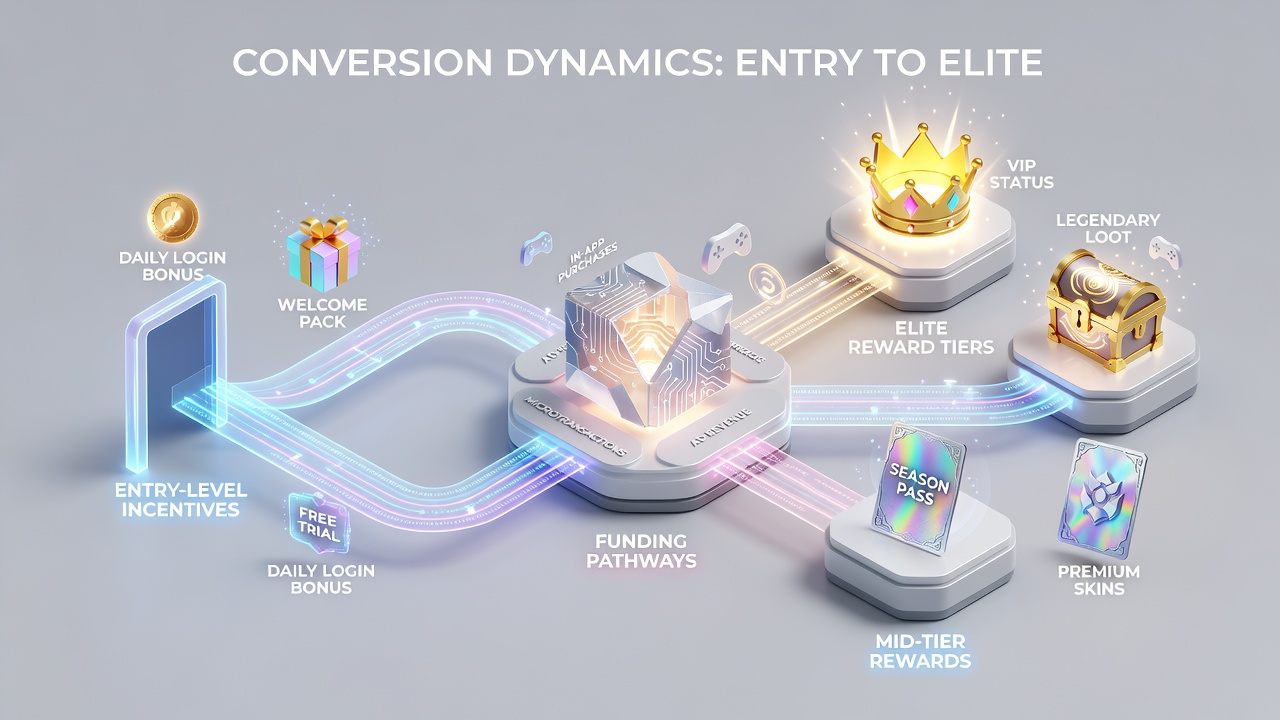
Conversion Dynamics Linking Entry-Level Incentives to Elevated Reward Tiers via Funding Pathways in App-Driven Gaming Ecosystems
App-driven gaming ecosystems operate through structured sequences where entry-level incentives function as gateways that channel user activity toward sustained engagement and eventual elevation into higher reward tiers, and observers note that these pathways rely heavily on funding selections made within mobile interfaces. Research from industry analysts indicates that players typically encounter welcome bonuses or initial credit matches upon registration, yet conversion occurs only after deposits activate the system, allowing the platform to track transaction volume and unlock subsequent layers of benefits such as loyalty points or exclusive access.
Mechanics of Initial Incentive Activation
Entry-level offers in these environments often appear as percentage-based matches or fixed credits tied directly to the first funding action, and data from multiple platform audits reveals that users who complete a qualifying deposit within the initial session demonstrate higher rates of progression compared to those who delay or avoid transactions. The process integrates payment gateways that record each transfer, converting the incentive into usable balance while simultaneously logging the user into a tracking database that monitors cumulative spend; this creates a measurable trail from the starting point to intermediate milestones. Studies conducted across North American markets show that funding pathways incorporating digital wallets accelerate this activation because they reduce processing friction, allowing the system to credit rewards instantaneously and trigger automated tier evaluations.
Progression Through Layered Funding Routes
Once the entry incentive engages, the ecosystem routes subsequent deposits through predefined sequences that scale rewards according to volume and frequency, and figures released in August 2026 by regulatory bodies in several jurisdictions confirm that platforms employing multi-tier deposit structures report steadier user retention across handheld devices. Payment method choices influence the speed of advancement because certain gateways carry higher processing weights within the algorithm, pushing users into elevated categories faster when they select options like instant bank transfers over slower alternatives. Those who examine transaction logs find that sequential deposits build a cumulative profile, where each verified transfer adds points that determine access to VIP-style benefits including personalized multipliers and priority event entries.
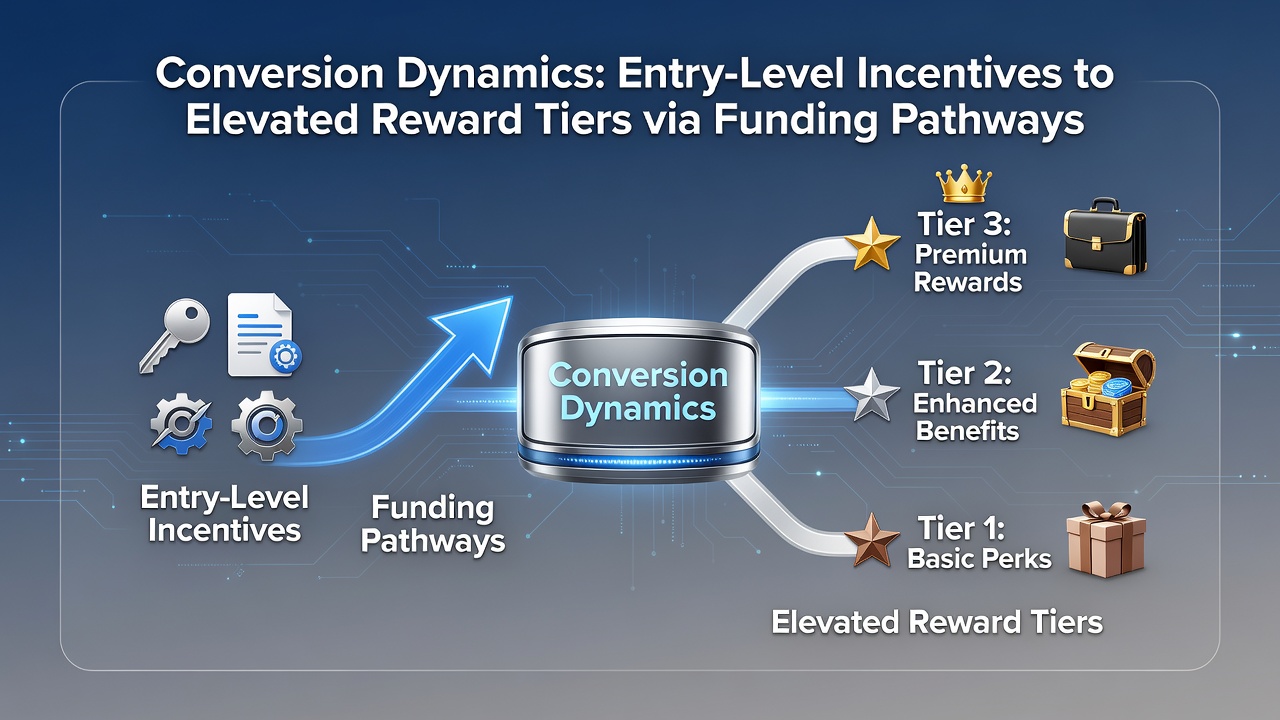
Role of Mobile Interfaces in Tier Elevation
Mobile applications streamline these dynamics by embedding real-time dashboards that display current tier status alongside pending requirements, and evidence gathered from platform analytics demonstrates that visible progress indicators encourage continued funding activity. Users navigate through menu systems that highlight eligible pathways, with each deposit choice presented alongside projected reward outcomes, creating a feedback loop that links immediate action to long-term status gains. According to reports from the American Gaming Association, ecosystems utilizing adaptive interfaces see conversion rates improve when they align deposit thresholds with user behavior patterns observed in sports and table environments.
Integration of External Data and Regulatory Context
Industry organizations such as the European Gaming and Betting Association have documented how funding pathways interact with compliance frameworks, ensuring that tier advancements remain within licensed parameters while still delivering escalating incentives. Academic reviews from Canadian research institutions further illustrate that transparent mapping of these routes reduces user drop-off at intermediate stages because participants understand the exact deposit amounts needed to reach the next level. In practice, the system cross-references each transaction against established criteria, automatically advancing users once cumulative funding meets predefined benchmarks.
Conclusion
Conversion dynamics in app-driven gaming ecosystems depend on the precise alignment of entry incentives with funding pathways that systematically elevate participants into higher reward tiers, and ongoing data collection continues to refine these mechanisms across global markets. Platforms maintain these structures through algorithmic tracking that responds directly to deposit patterns, delivering measurable advancement without requiring external intervention.