8 Jun 2026
How Funding Selections Shape Advancement Through Layered Reward Systems in App-Based Table and Sports Environments
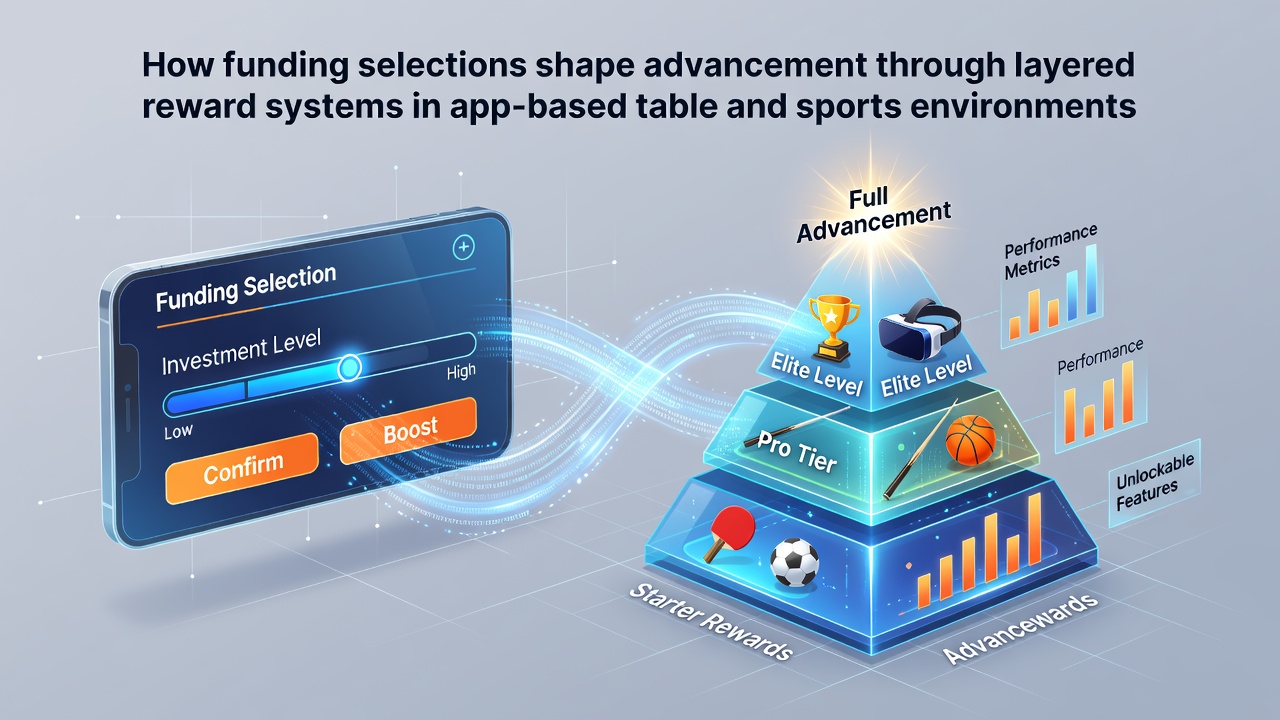
Payment method choices determine how users progress through multi-level loyalty structures in mobile applications that host table games alongside sports wagering options, and these selections influence point accumulation rates as well as bonus unlock thresholds across different platforms.
Core Mechanics of Layered Reward Structures
App-based environments organize rewards into sequential tiers where each level unlocks enhanced benefits such as increased cashback percentages, exclusive table game variants, and boosted odds on sports markets, and funding selections feed directly into these progressions because certain deposit types generate accelerated point multipliers while others follow standard accrual formulas. Data from industry reports shows that credit card deposits often contribute baseline points whereas e-wallet transfers and bank transfers can trigger supplementary status credits depending on the operator's configuration rules.
Layered systems typically feature five to seven distinct ranks beginning with entry-level status and advancing to elite designations, and advancement requires cumulative activity measured in both wagering volume and deposit frequency. Observers note that users who select funding options tied to promotional partnerships advance faster because those methods integrate with real-time tracking algorithms that adjust tier requirements dynamically throughout the calendar month.
Payment Method Impacts on Table Game Progression
Table game environments within these apps reward consistent participation in formats such as blackjack, roulette, and poker variants through dedicated point categories separate from sports activity, yet funding selections determine whether those points receive supplemental multipliers. Certain digital wallet providers partner with operators to award double points on table game wagers when deposits originate from verified accounts, which accelerates movement between tiers during periods of high engagement.
Research indicates that players utilizing instant banking solutions reach mid-tier status approximately twenty percent sooner than those relying on traditional card methods because settlement speed allows for immediate reinvestment of winnings into additional qualifying activity. In June 2026 regulatory updates from multiple jurisdictions highlighted standardized reporting requirements for these reward calculations to ensure transparency in how payment channels affect user advancement metrics.
Sports Wagering Integration and Tier Acceleration
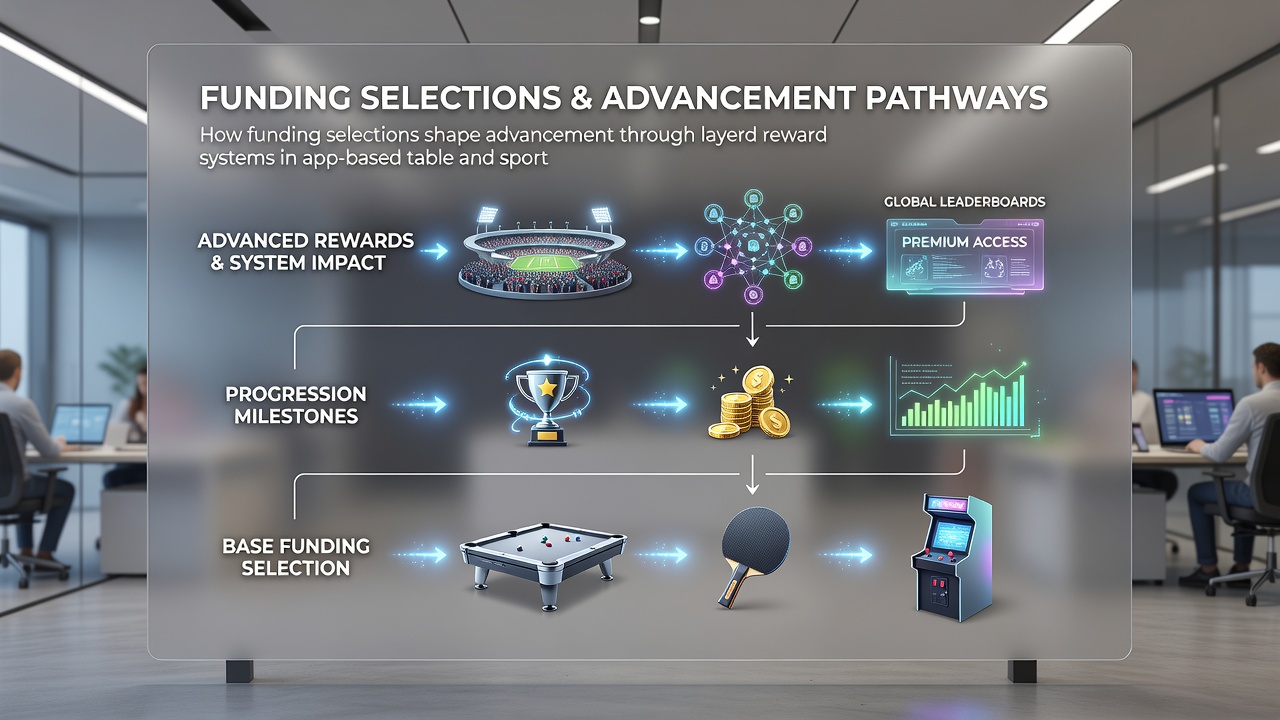
Sports betting modules connect to the same overarching loyalty framework as table games, which creates crossover opportunities where funding selections made for one vertical influence rewards available in the other. Users who route deposits through specific payment rails receive unified progress tracking that combines live event stakes with table game sessions into a single advancement score, and this integration rewards diversified activity patterns.
Industry figures reveal that sports-focused users who select cryptocurrency funding options often unlock higher tier benefits more rapidly due to lower processing fees that preserve more capital for continued wagering, whereas conventional methods may deduct small percentages before points calculation begins. Those who've studied platform algorithms note that real-time odds adjustments in June 2026 incorporated tier-based incentives tied directly to verified funding histories.
Regional Variations in Funding Influence
North American operators structure their layered systems with emphasis on sports markets during peak seasons while European and Australian platforms weight table game contributions more heavily, and funding selections interact differently with each regional model. According to analyses from the European Gaming and Betting Association, payment providers that offer cross-border compatibility enable smoother tier advancement for international users who participate across multiple jurisdictions.
Canadian regulatory frameworks implemented in 2026 require clear disclosure of how deposit methods affect loyalty calculations, which has prompted operators to standardize point allocation rules across both table and sports environments. Users who maintain consistent funding channels through approved gateways experience predictable advancement trajectories without unexpected adjustments to tier thresholds.
Operational Examples and Tracking Systems
One documented case involves a mobile platform that awards status points based on deposit size and method verification level, where bank transfer users receive bonus credits toward elite tier qualification after reaching volume milestones in combined table and sports activity. Another example shows operators using algorithmic adjustments that factor in payment history to determine eligibility for live dealer table access reserved for higher ranks.
Tracking dashboards within these apps display projected advancement timelines based on selected funding patterns, and users can switch methods mid-cycle to optimize remaining point requirements. Data shows that such flexibility leads to higher overall engagement rates when payment options align with individual wagering preferences across both verticals.
Conclusion
Funding selections function as foundational inputs within layered reward architectures that govern advancement in app-based table game and sports environments, and their influence extends through point multipliers, tier thresholds, and crossover benefits between verticals. Operators continue refining these connections in response to regulatory developments and user behavior patterns observed through 2026.