5 Jun 2026
Mapping Digital Wallet Flows That Convert Initial Stakes into Layered Table Rewards and Mobile Tier Advances
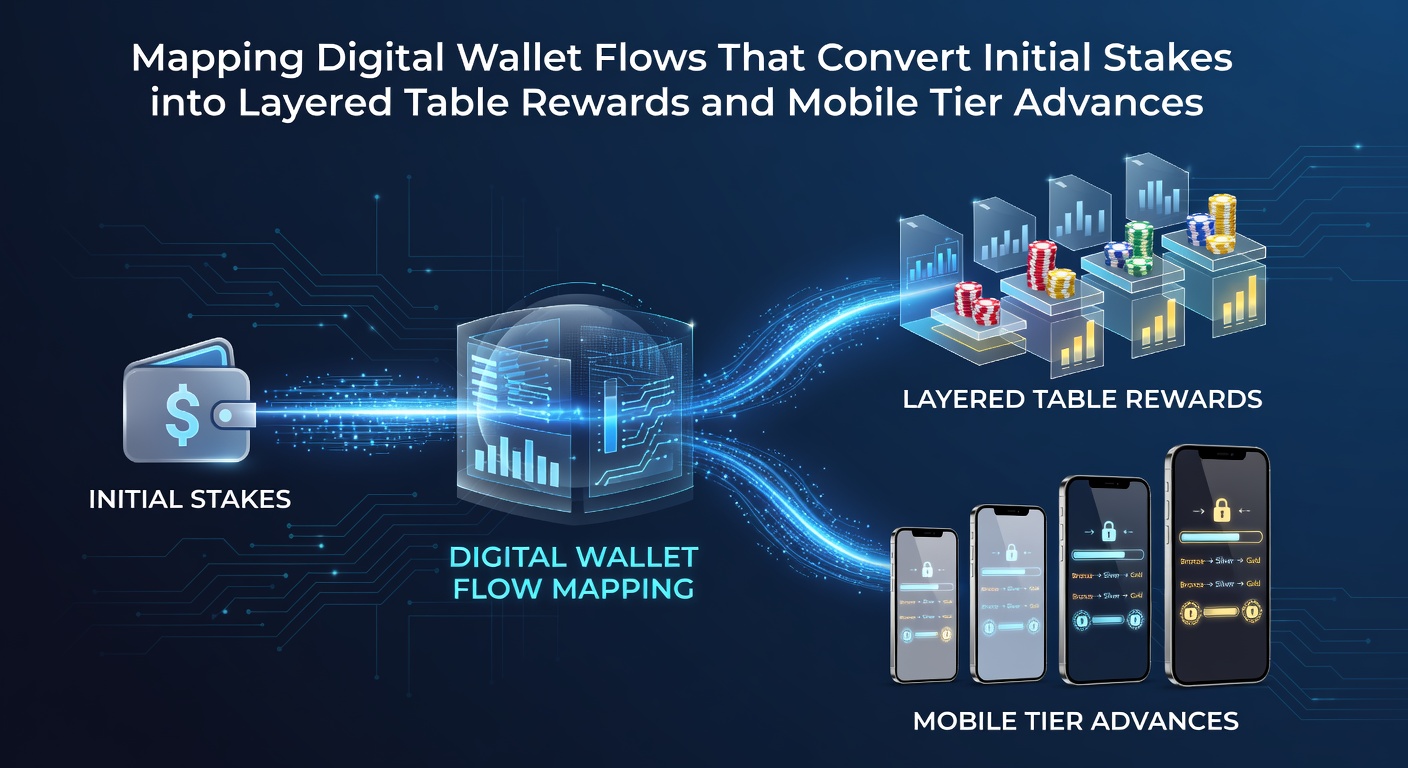
Digital wallet transactions now form the backbone of many online gambling platforms, and observers note that these systems track every step from an initial deposit through to reward distribution and tier progression. In June 2026, industry reports showed continued growth in mobile-first payment methods across regulated markets, with data from the New Jersey Division of Gaming Enforcement highlighting steady increases in wallet-based activity on both table games and sports platforms.
Initial stakes enter the ecosystem when a player funds an account through an e-wallet provider, and the funds move instantly into a casino balance that supports immediate play. This process creates a clear audit trail that operators use to monitor activity and trigger automatic reward calculations once certain thresholds are met.
Tracing the Path from Deposit to First Reward Layer
Once funds arrive, the system records the stake amount and links it to the specific game category chosen by the player. Table game wagers often receive different multiplier values compared with slot play, which means the same initial deposit can generate varied reward outcomes depending on where the money is placed. Researchers at the University of Nevada, Las Vegas documented these patterns in recent analyses of player behavior data, showing how early table game activity frequently accelerates progress toward the first reward tier.
Layered rewards appear when the platform converts accumulated points or play volume into bonuses that can be used across multiple game types. A player who starts with a modest mobile deposit may receive a cashback credit after reaching a set number of hands at blackjack, and that credit can then be applied to live dealer sessions or carried forward into mobile sports wagers. The flow remains continuous because each reward layer feeds directly into the next tracking metric without requiring separate deposits.
Mobile Tier Advancement Mechanics
Mobile platforms update tier status in real time as wallet transactions accumulate, and many systems now push notifications the moment a player crosses into the next loyalty bracket. Advancement typically depends on a combination of total wagered amount, frequency of play, and game variety, which means a user who spreads activity across table games and mobile sports can climb faster than someone focused on a single category. Observers note that this structure encourages broader engagement while maintaining clear records of every wallet movement.
Payment method choices also influence speed of tier movement because certain digital wallets process and report transactions with lower latency than others. When a platform integrates multiple wallet providers, the backend system normalizes the data so that reward calculations remain consistent regardless of the funding source. This normalization prevents discrepancies that could otherwise slow tier advancement during periods of high transaction volume.
Integration of Table Game Rewards with Mobile Tiers
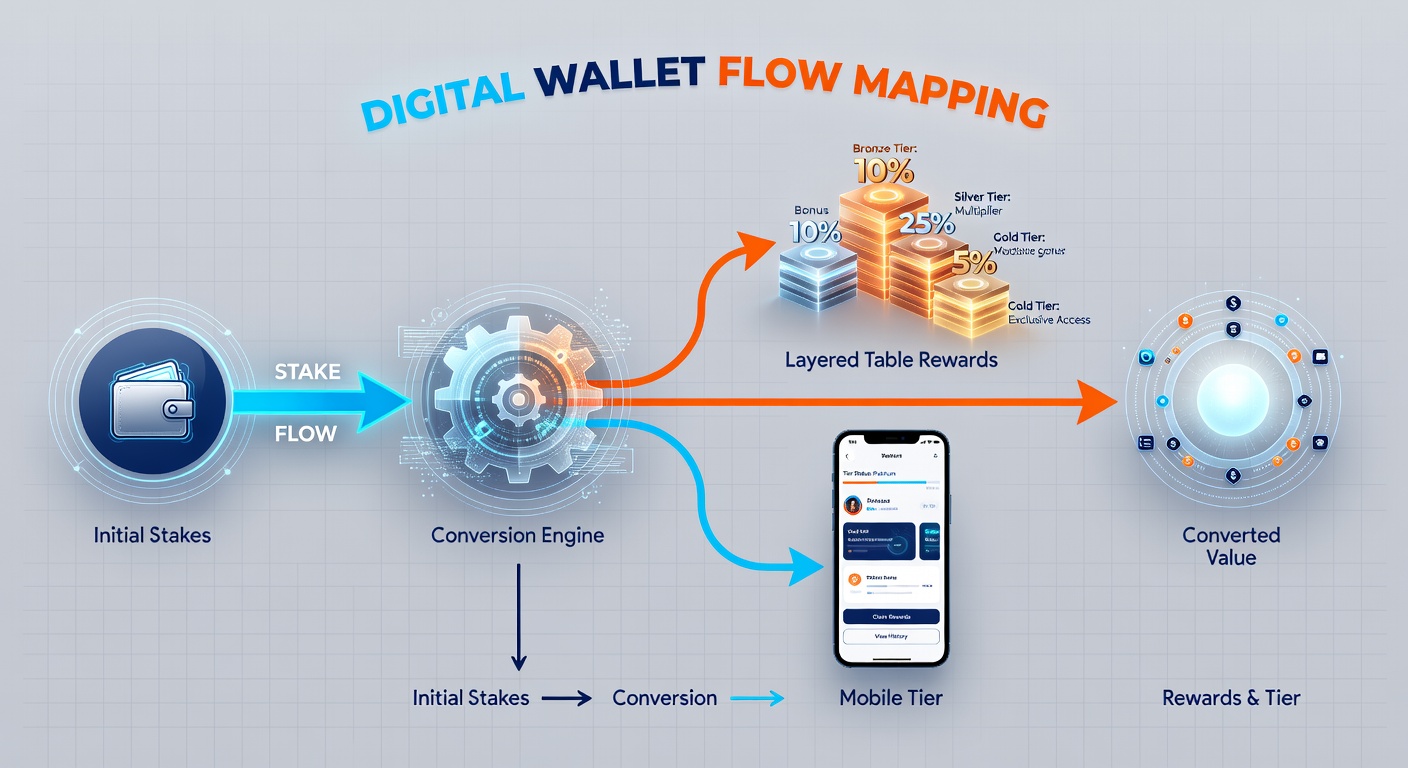
Table game rewards often serve as the bridge between initial stakes and higher mobile tiers because they generate both cash and non-cash benefits that count toward overall progress. A player might receive a free bet or tournament entry after a series of successful wagers, and those benefits are automatically logged against the mobile loyalty profile. The conversion happens through a unified tracking engine that treats every reward type as equivalent value for tier purposes.
Cross-over activity between table games and mobile sports further accelerates advancement because platforms assign bonus points to both categories under the same wallet account. Data released by the American Gaming Association in early 2026 indicated rising participation in hybrid play sessions where users move funds between live dealer tables and in-play sports markets without leaving the same digital wallet session.
Practical Examples of Wallet Flow Mapping
Consider a sequence where a player deposits through a digital wallet, places an initial stake on roulette, earns a layered cashback reward, and then applies that reward to a mobile basketball wager. Each step updates the tier meter, and the system records the origin of every credit so that future redemptions stay within regulatory guidelines. Similar patterns appear across multiple operators because the underlying wallet technology follows standardized reporting protocols that allow seamless data exchange between gaming platforms and payment processors.
Another common flow involves recurring deposits that trigger progressive multipliers on table game winnings, which in turn feed directly into monthly tier evaluations. The wallet acts as the central ledger, ensuring that every reward layer remains traceable from the moment of deposit through final redemption or tier upgrade.
Conclusion
Mapping these digital wallet flows reveals a tightly integrated system where initial stakes generate layered rewards that directly support mobile tier advancement. The mechanisms rely on continuous data tracking, standardized reporting across providers, and real-time updates that keep players informed of their progress. As mobile gambling continues to expand, these flows provide the operational foundation that connects deposits, table activity, and loyalty growth into a single measurable process.