24 Jun 2026
Mapping Sequence Triggers Between Signup Perks and Recurring Table Boosts in Handheld Wagering Apps
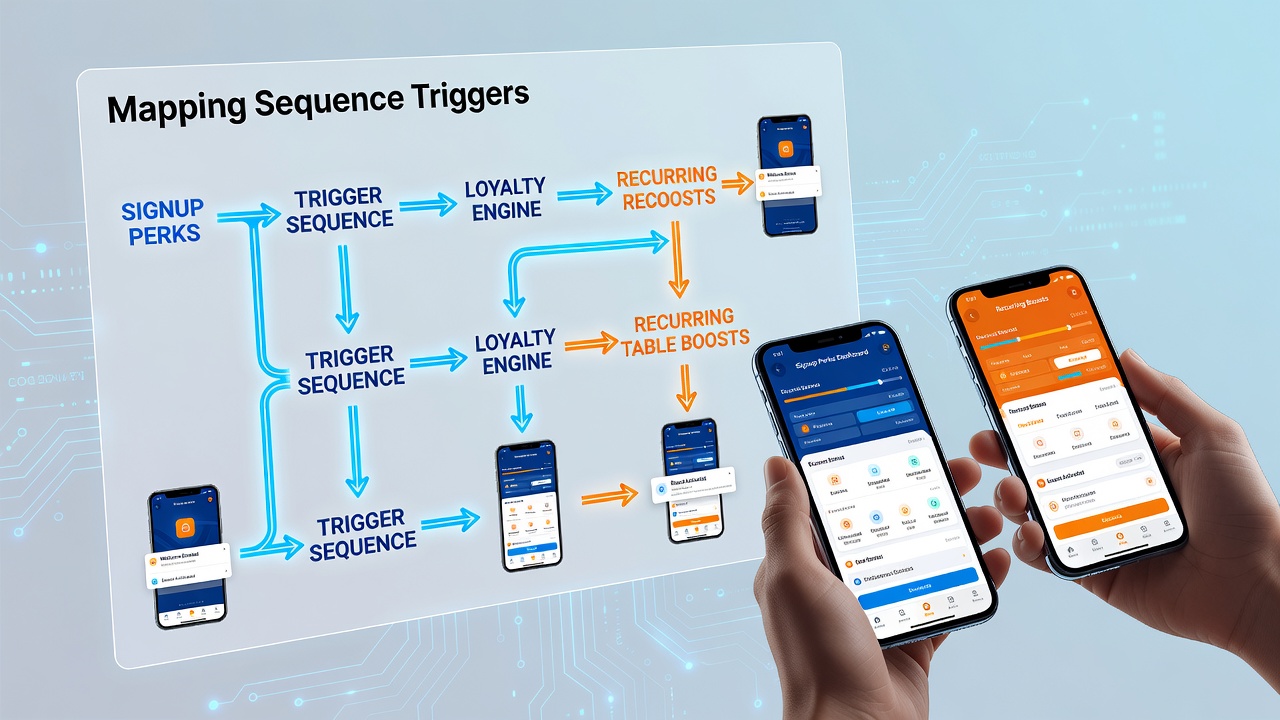
Handheld wagering apps coordinate signup perks with recurring table boosts through defined sequence triggers that activate based on deposit patterns, game selection, and user progression milestones. These systems rely on coded pathways where initial welcome incentives feed directly into ongoing rewards for table games such as blackjack, roulette, and poker variants. Observers note that developers structure these connections to maintain engagement across mobile platforms while complying with regional gaming regulations.
Core Components of Signup Perks in Mobile Environments
Signup perks typically include matched deposits, free credits, or tiered entry rewards that users receive upon account creation and first funding. Research from industry reports indicates these incentives often carry wagering requirements that must clear before funds convert to withdrawable balances. Data from North American operators shows average signup sequences complete within seven to fourteen days when users meet minimum stake thresholds on designated table sections. Payment method choices influence trigger timing because certain digital wallets accelerate verification steps and unlock subsequent boost layers faster than traditional card transactions.
Mechanics Behind Recurring Table Boosts
Recurring table boosts operate on weekly or monthly cycles where prior activity generates additional credits or multiplier effects for continued play. These rewards activate after users fulfill conditions such as cumulative table game volume or specific hand counts in live dealer environments. Figures from Canadian provincial regulators reveal that boost frequency increases when initial signup sequences transition smoothly into loyalty tracking modules. Handheld apps employ real-time algorithms to monitor table selections and adjust boost values accordingly, creating layered incentives that build on early deposit activity.
Sequence Trigger Mapping Process
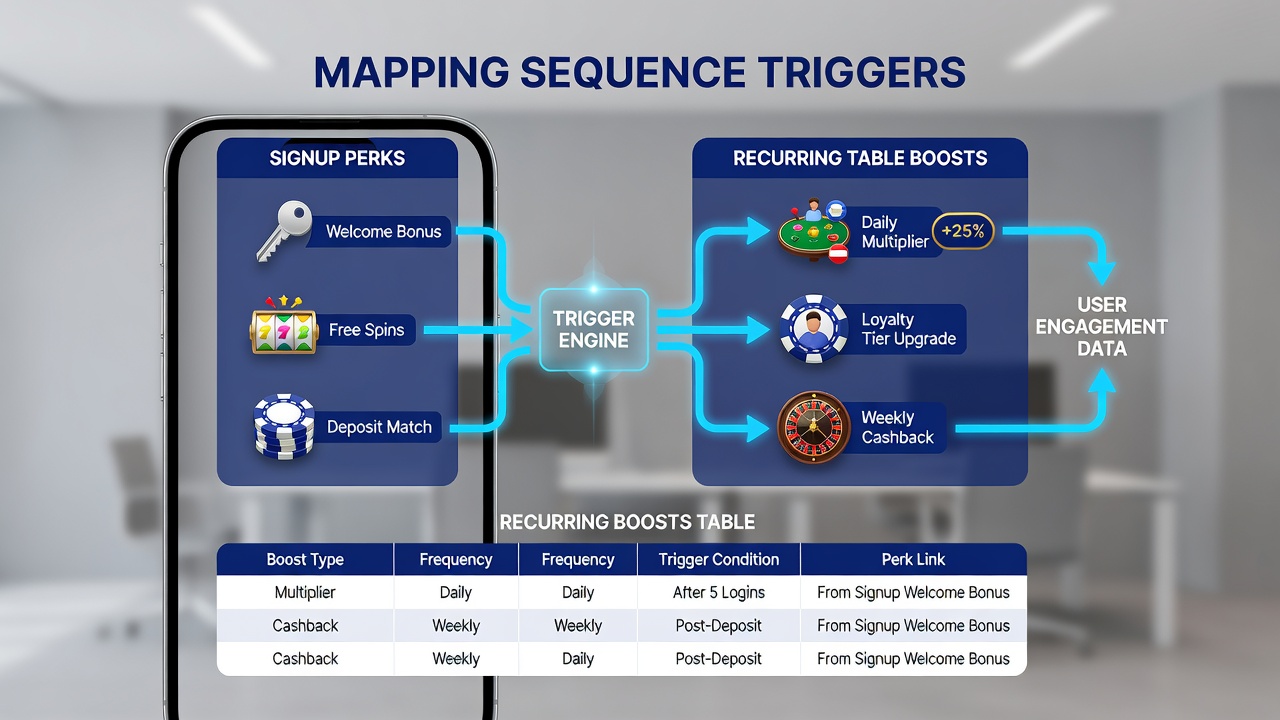
Mapping begins with user registration data feeding into a central reward engine that tags the signup perk as a primary trigger event. This tag then links to secondary conditions including minimum table game exposure and deposit recurrence patterns. Experts at gaming technology firms describe the process as a decision tree where each completed requirement opens the next boost tier. In June 2026 several platforms updated their mapping protocols to incorporate faster mobile authentication methods, reducing the interval between signup completion adn first recurring table reward by up to forty-eight hours. The connections rely on unique identifiers that travel across app sessions and synchronize with backend databases maintained by operators.
Payment pathways play a central role because they determine how quickly funds post and how bonus codes apply across both signup and recurring stages. One documented approach routes initial deposits through e-wallets that automatically flag eligible table games for boost eligibility. This routing creates predictable sequences where users who select approved methods experience uninterrupted progression from welcome incentives to ongoing table rewards. Studies conducted by European research institutions confirm that such structured flows reduce user drop-off rates between the first and third reward cycles.
Integration Patterns Across Platforms
Platforms integrate these triggers through modular code segments that allow operators to adjust parameters without full system overhauls. Australian regulatory summaries highlight cases where apps aligned signup perks with table-specific multipliers to encourage cross-genre participation. The alignment occurs when users meet sequential thresholds such as completing a set number of hands within a defined period after claiming the initial reward. Developers test these patterns extensively to ensure they function across different device operating systems and network conditions common in handheld use.
Regional variations affect how sequences unfold. Operators in jurisdictions with strict responsible gaming rules embed mandatory cooling periods between boost activations, whereas other markets permit continuous cycling based solely on activity volume. Data compiled by the American Gaming Association indicates that well-mapped sequences correlate with higher retention metrics when users perceive clear progression from signup to recurring benefits. These patterns remain consistent even as new table game variants enter mobile libraries.
Technical Considerations for Trigger Accuracy
Accuracy depends on synchronized timestamps between deposit confirmation, game logging, and reward distribution modules. Discrepancies in any of these elements can interrupt the intended flow from signup perks to table boosts. Technology providers address this through redundant verification layers that cross-check mobile session data against server records. In practice the systems flag anomalies and route affected accounts through manual review processes before restoring normal boost eligibility.
Conclusion
Sequence mapping between signup perks and recurring table boosts forms a structured framework that handheld wagering apps use to connect early incentives with sustained table game activity. The process relies on coded triggers, payment routing, and regulatory compliance measures that vary by jurisdiction. Continued refinement of these mappings supports consistent reward delivery while adapting to evolving mobile technologies and regional oversight requirements.