29 May 2026
Payment Pathways That Elevate Status Tiers Across Handheld Sports and Table Platforms
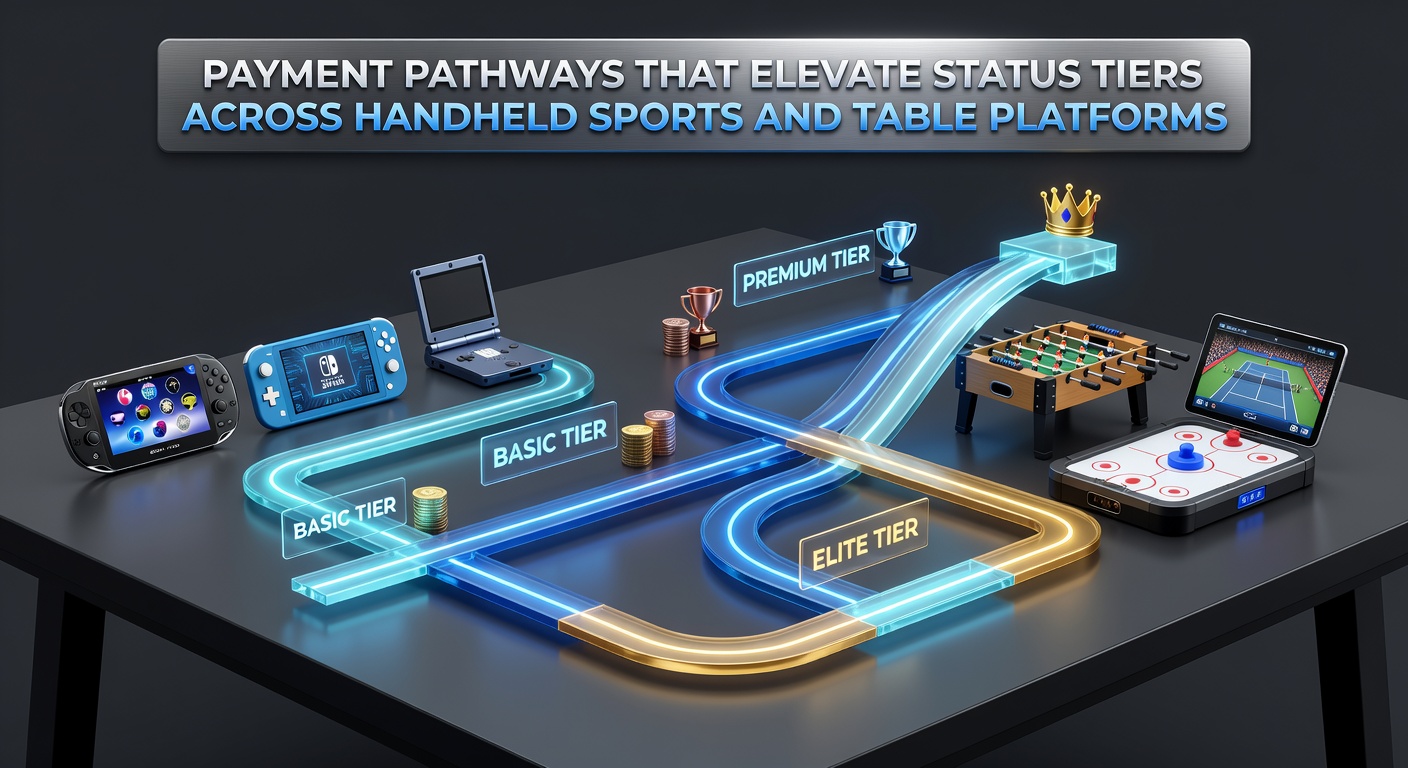
Payment systems in mobile sports betting and table game environments have developed structured pathways that directly influence how players advance through loyalty tiers, and observers note these mechanisms operate through point multipliers, processing speeds, and integration with account verification protocols. Research from industry reports shows certain deposit and withdrawal options trigger accelerated status progression because platforms assign higher reward coefficients when transactions route through approved digital channels rather than traditional banking rails.
How Transaction Methods Influence Tier Advancement
Experts tracking handheld platform activity find that e-wallet services and instant bank transfer solutions often carry built-in status multipliers that add between 15 and 40 percent more loyalty points per dollar wagered compared with standard card processing. These differentials appear because operators incur lower fees on those rails, allowing them to redirect portions of the savings into player reward pools. Data collected across multiple operators indicates players who consistently route table game wagers through these pathways reach mid-tier status roughly 30 percent faster than those relying solely on credit cards.
Handheld sports platforms meanwhile apply similar logic when handling live event bets, where rapid settlement times on certain payment methods feed directly into real-time tier calculations. One study released in early 2026 documented that accounts using cryptocurrency gateways recorded elevated point accrual rates during high-volume betting periods because blockchain confirmations reduced administrative overhead for the platform.
Integration Patterns Across Table and Sports Environments
Platforms that combine table games with sports wagering under a single loyalty framework create unified pathways where activity on either side contributes to the same status meter. Researchers have observed that payment methods supporting instant cross-platform transfers allow players to move funds between table sessions and sports bets without incurring delays that might otherwise stall point accumulation. In May 2026 several major operators updated their systems to recognize verified digital wallet transactions as premium activity, granting additional tier credits when users complete both a table game round and a sports wager within the same 24-hour window.
Verification and Limit Structures
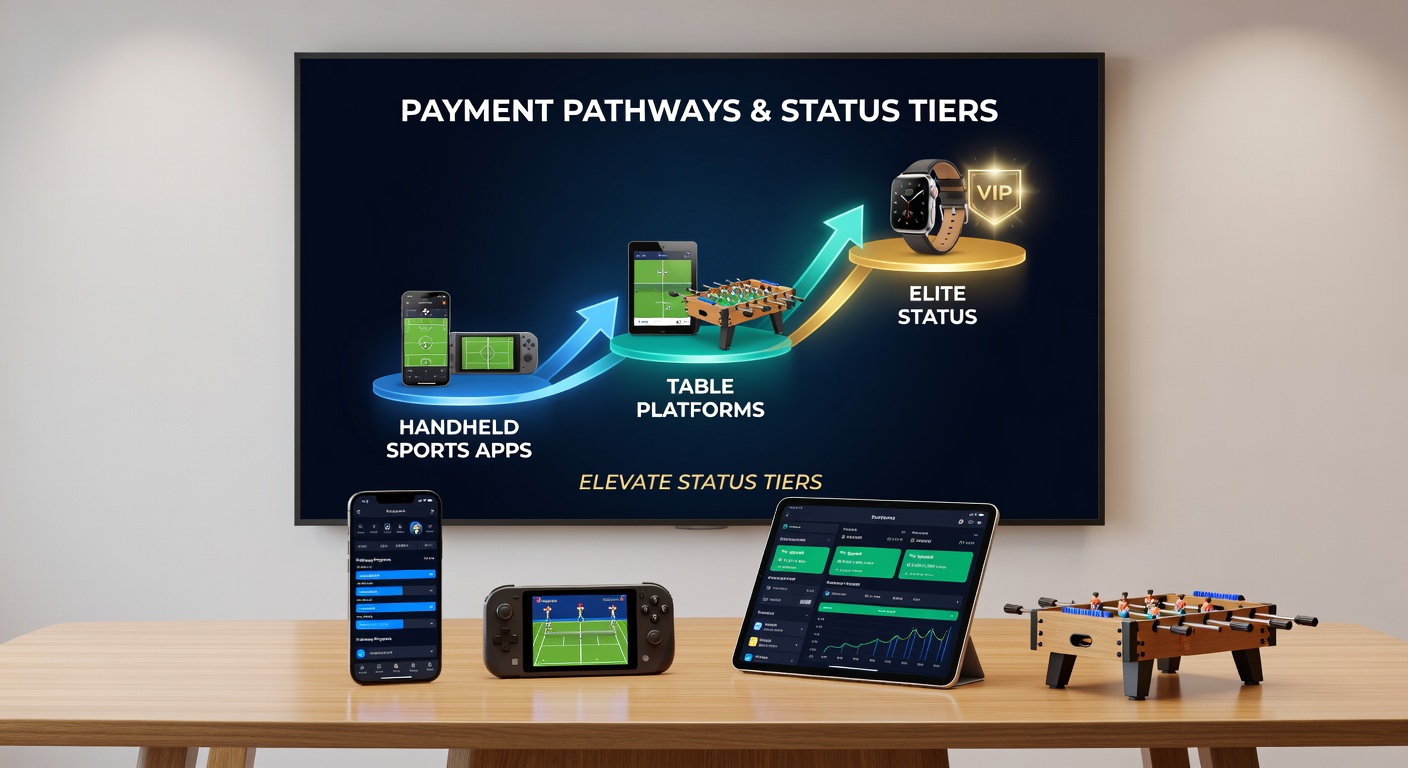
Status elevation depends heavily on account verification levels tied to specific payment pathways. Accounts that complete enhanced KYC procedures through certain e-wallet providers receive higher daily deposit ceilings, which in turn enable larger wagers and faster point accumulation. Figures from regulatory filings reveal that platforms in regulated North American markets reported a 22 percent increase in verified high-tier accounts during the first quarter of 2026 when they streamlined verification for players using approved instant transfer services.
Table game environments place additional emphasis on withdrawal speed as a tier qualifier. Players who select payment methods offering same-day cashouts often qualify for loyalty bonuses that further boost their status metrics, creating a feedback loop where faster access to funds encourages continued play and higher overall volume.
Regional Regulatory Influences on Payment Pathways
Canadian provincial frameworks have introduced guidelines encouraging operators to disclose how payment choices affect loyalty calculations, and data released by the Canadian Gaming Association in spring 2026 highlighted transparency measures now required in several jurisdictions. Similar patterns appear in Australian markets where the Australian Gambling Research Centre published findings showing that clear communication about payment-related tier benefits correlates with higher player retention across both mobile sports and table platforms.
These regulatory shifts have prompted operators to standardize their tier progression rules while still preserving differentiation among payment methods. Accounts using regional bank transfer systems in Europe, for instance, receive distinct multipliers compared with international card networks, reflecting local processing cost structures and compliance requirements.
Future Developments in Status Elevation Mechanisms
Industry analysts anticipate continued refinement of payment pathways as blockchain and real-time settlement technologies mature. Platforms are testing tier systems that automatically adjust point values based on the volatility and speed of chosen payment rails, allowing high-frequency table game participants and sports bettors alike to optimize their progression strategies through deliberate method selection. Reports indicate these adjustments will likely expand in the latter half of 2026 as more operators align their loyalty engines with emerging payment standards.
Conclusion
Payment pathways function as structural components within loyalty frameworks across handheld sports and table platforms, where method selection directly modulates the rate of status advancement through multipliers, verification benefits, and processing efficiencies. Evidence from multiple regulatory and research sources demonstrates consistent patterns in how these systems operate, and operators continue to refine the connections between transaction rails and tier progression as market conditions evolve.