26 Jun 2026
Sequence-Based Reward Integration Across Portable Table and Wager Formats
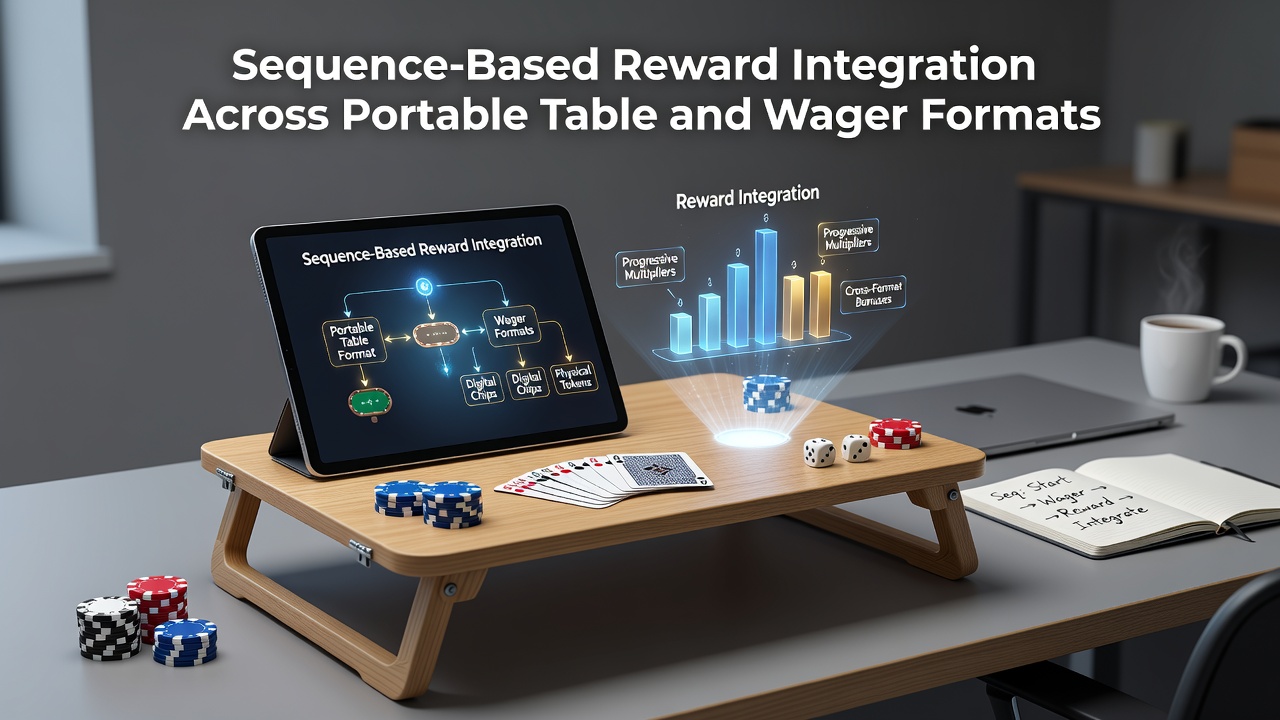
Sequence-based reward integration refers to structured systems that link player actions in a specific order across mobile platforms, unlocking benefits through defined steps in table games and wager activities. These frameworks operate by tracking sequences such as initial deposits followed by targeted play sessions, then advancing to reward tiers. Data from regulatory filings shows such mechanisms appear in numerous portable gaming environments where table formats like blackjack and roulette connect directly with sports wager options.
Operators structure these sequences to align deposit methods with gameplay milestones, creating pathways that escalate loyalty status. Research from the New Jersey Division of Gaming Enforcement indicates that mobile applications in regulated markets recorded measurable increases in sequence completion rates during early 2026, particularly when table rounds triggered wager bonuses. The integration relies on backend algorithms that log each action chronologically, ensuring rewards activate only after the prescribed order completes.
Core Mechanics in Portable Environments
Portable table formats utilize sequence triggers where a player selects a payment option, places an initial stake on a live dealer table, and progresses through consecutive rounds to access layered incentives. This process connects to wager formats when table outcomes feed into sports betting modules within the same application. Observers note that such chaining occurs because mobile platforms maintain unified player profiles that record every transaction and game event in real time.
Examples from operational systems demonstrate sequences beginning with a minimum deposit, advancing to a set number of table hands, and culminating in cross-format credits applicable to wagers. Figures from industry reports reveal that these patterns support tier advancement when players maintain consistent sequences over multiple sessions. The technical backbone involves timestamped logs that validate order compliance before releasing rewards, reducing discrepancies across devices.
Cross-Format Connections and Data Patterns
Integration extends to wager formats by mapping table game sequences onto betting interfaces, where completed table rounds generate multipliers for sports stakes. In June 2026, platform updates across several markets incorporated enhanced tracking for these transitions, allowing seamless movement between dealer-hosted tables and live event wagers. Studies from the Canadian Gaming Association highlight that sequence adherence correlates with higher retention metrics when rewards span both categories without requiring separate logins.
Payment selections influence sequence outcomes because certain methods accelerate progression through instant verification steps. Those who examined transaction data across handheld platforms found that e-wallet sequences often bypass intermediate approvals compared to card-based entries, leading to faster reward activation in table and wager environments alike. This creates measurable differences in completion times documented in operational analytics.
Implementation Across Regions
Regional variations appear in how sequences integrate rewards, with North American platforms emphasizing sports wager linkages while other markets focus on table game escalations. Reports compiled through 2026 show consistent use of sequential milestones to bridge portable table sessions with wager opportunities, supported by standardized APIs that synchronize data across formats. Academic analyses from institutions such as the University of Nevada, Reno, document these patterns through case examinations of deployed systems, noting the role of chronological validation in maintaining compliance.
Additional layers emerge when loyalty programs incorporate sequence history, allowing prior table completions to influence current wager bonuses. Data indicates that players following prescribed orders achieve status elevations more rapidly than those using non-sequential approaches. The systems accommodate device portability by storing sequence states in cloud profiles, enabling continuation across sessions without resetting progress.
Technical and Regulatory Considerations
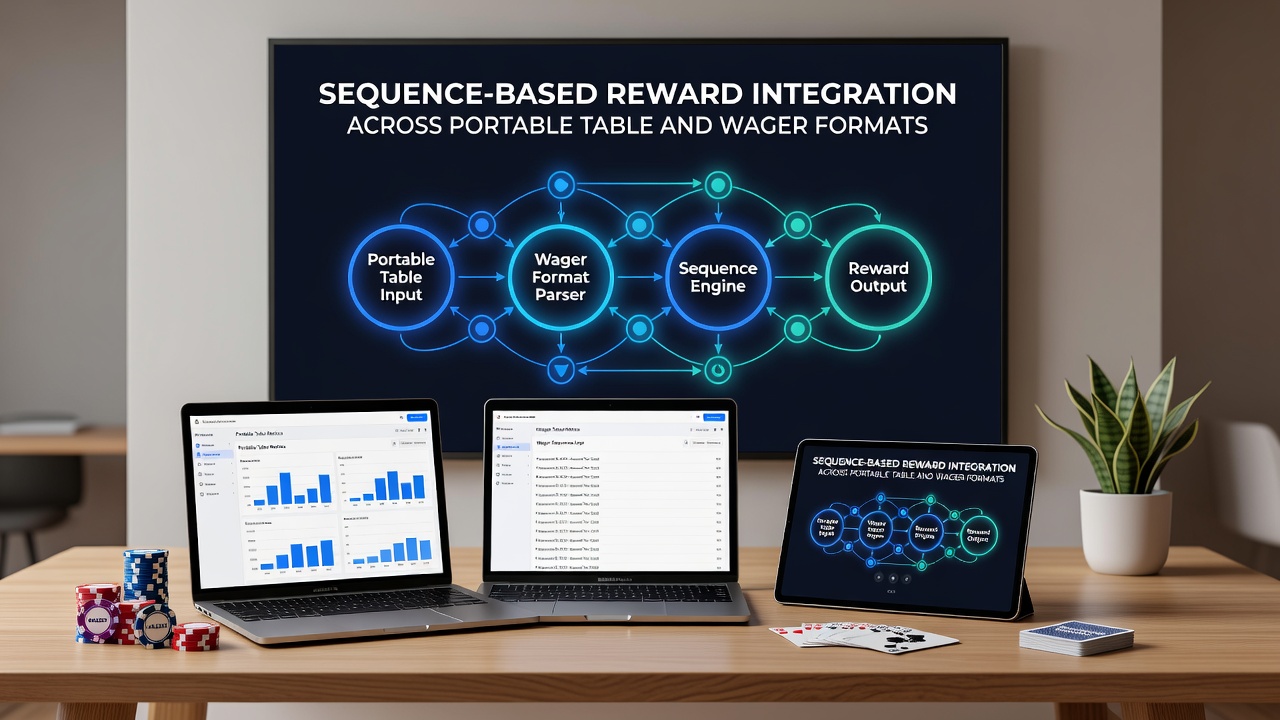
Backend infrastructure for these integrations employs event-driven architectures that process each sequence step as a discrete trigger. Regulatory frameworks in multiple jurisdictions require transparent logging of these sequences to verify fair distribution of rewards. Evidence from compliance audits demonstrates that platforms maintaining detailed sequence records meet oversight standards more consistently when table and wager formats operate under unified rulesets.
Updates implemented around mid-2026 refined sequence parameters to handle higher volumes of concurrent mobile users, particularly during peak wager events tied to table outcomes. Such refinements appear in technical specifications shared among operators, focusing on reduced latency between sequence completion and reward application.
Conclusion
Sequence-based reward integration continues to shape interactions between portable table formats and wager activities through ordered action chains. Available data from regulatory and industry sources illustrates its deployment across platforms, supported by chronological tracking and cross-format connectivity. These systems maintain operational consistency through validated sequences that align deposits, gameplay, and tier advancements in mobile environments.