10 Jul 2026
Tracing Pathways of Entry Incentives Toward Multi-Tier Loyalty in Portable Interactive Platforms
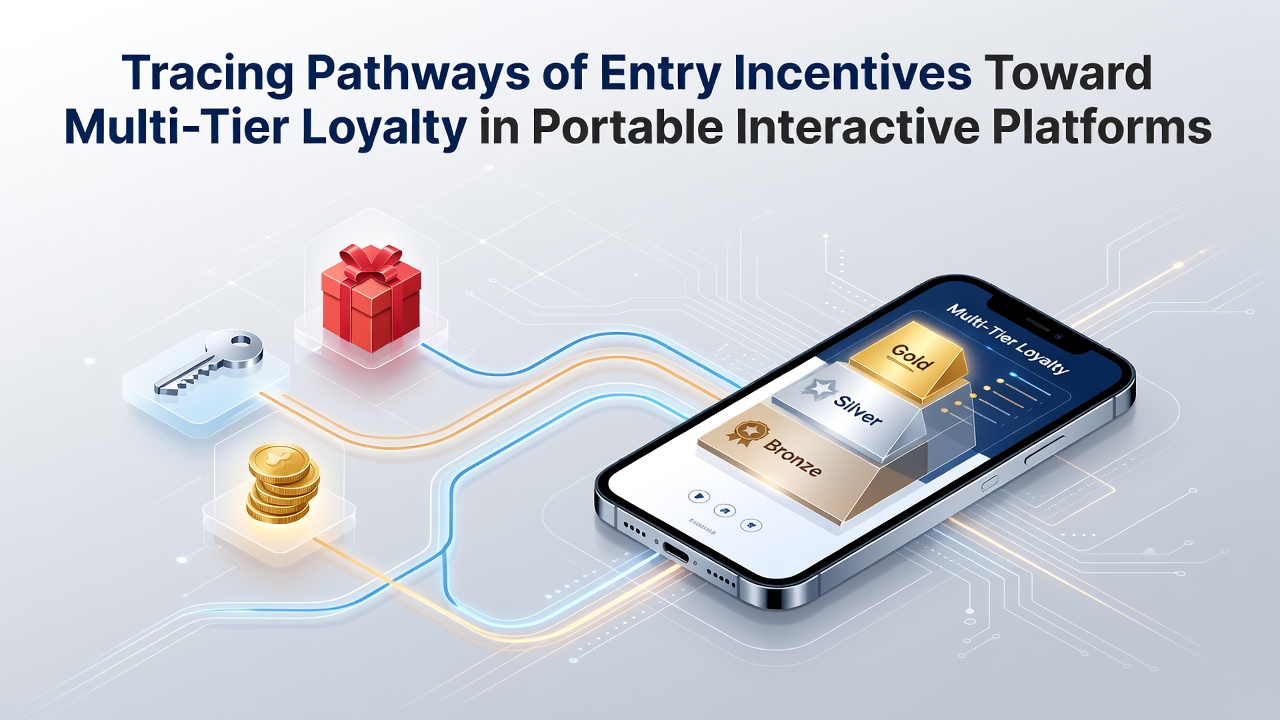
Portable interactive platforms have expanded rapidly in recent years and data from industry reports shows that entry incentives such as welcome bonuses and initial deposit matches serve as primary gateways into structured reward ecosystems. These systems track user activity across deposits, wagers, and session durations to advance participants through multiple loyalty tiers. Research from the Canadian Gaming Association indicates that mobile applications account for over 65 percent of new account registrations in regulated markets during the first half of 2026.
Initial Incentives as Entry Points
Entry incentives typically appear as matched deposits or free credits that require minimal commitments yet initiate tracking mechanisms within the platform's backend systems. Users who accept these offers generate data points on payment methods, wager sizes, and game preferences that feed directly into tier advancement algorithms. Figures from the Australian Institute of Family Studies reveal that participants who engage with entry offers within the first seven days show a 42 percent higher retention rate compared with those who bypass incentives entirely.
Payment selection at the entry stage influences subsequent reward layers because platforms assign different point multipliers based on funding sources such as digital wallets or bank transfers. One study conducted by researchers at the University of Nevada Reno found that credit card deposits correlate with faster progression to mid-level tiers while cryptocurrency options often unlock accelerated status in select applications. These patterns emerge because algorithms weigh transaction speed and volume when calculating eligibility for tier upgrades.
Progression Mechanisms in Mobile Environments
Multi-tier loyalty structures divide users into categories that unlock escalating benefits including cashback percentages, exclusive event access, and personalized game recommendations. Advancement occurs through cumulative metrics such as total deposits, active days, and average bet amounts that reset or carry over depending on the platform's rules. In July 2026 several major operators adjusted their tier thresholds upward following increased mobile traffic during major sporting events.
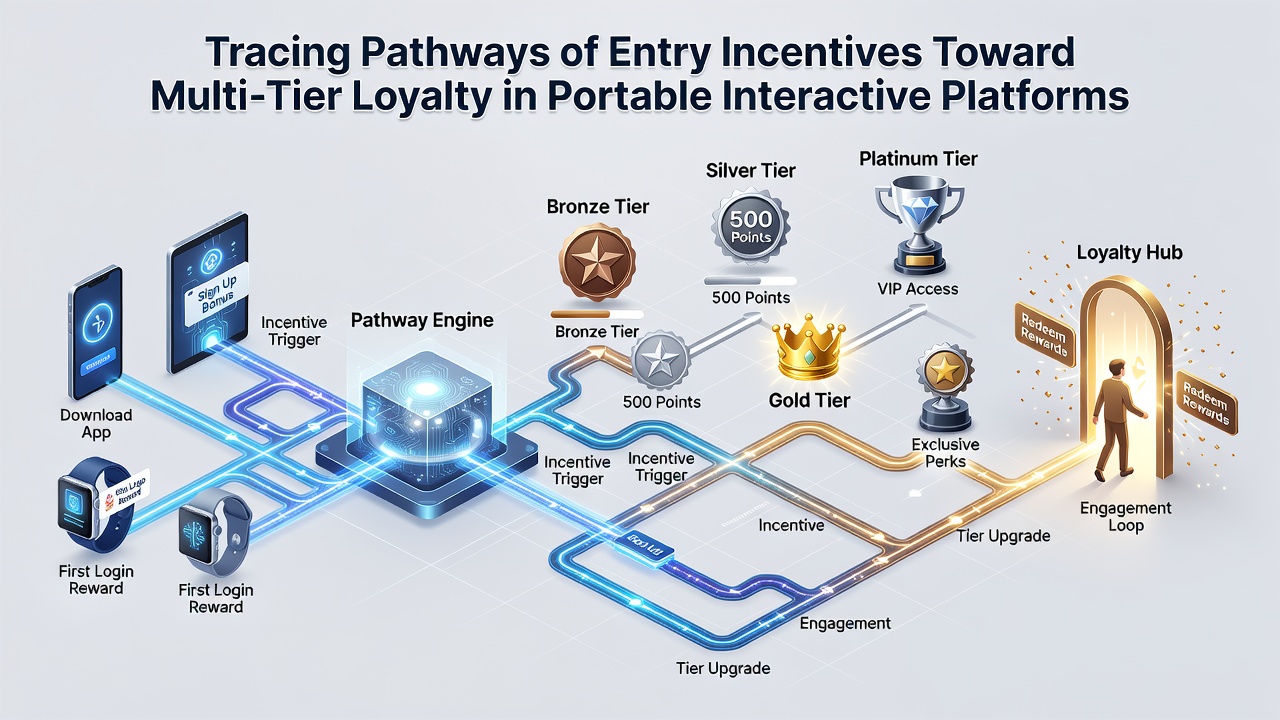
Observers note that portable platforms integrate real-time notifications to guide users along these pathways, highlighting remaining requirements for the next tier after each completed session. Data compiled by the European Gaming and Betting Association demonstrates that push notifications tied to tier progress increase completion rates by 28 percent across tested applications. The pathways remain transparent in most regulated jurisdictions yet vary significantly by region due to differing compliance standards on bonus structures.
Cross-platform portability allows users to maintain tier status when switching between devices because cloud-based profiles synchronize activity logs instantaneously. This feature reduces friction for participants who move between smartphones and tablets during daily routines. Experts at the National Council on Problem Gambling have documented how seamless device transitions support sustained engagement without resetting accumulated rewards.
Payment Pathways and Tier Elevation
Funding choices continue to shape advancement after the entry phase because recurring deposits through preferred methods often receive bonus point allocations. Platforms frequently categorize payment gateways into tiers themselves with premium options yielding higher loyalty multipliers. Analysis of transaction data from South African operators shows that users who standardize on a single payment method reach top-tier status 35 percent sooner than those who rotate across multiple options.
Sequential incentives build upon earlier activity by linking initial bonuses to later table game or sports wager rewards once basic tiers are achieved. This layering creates a continuous loop where each completed cycle feeds data back into the system for further personalization. Reports from the Singapore Ministry of Home Affairs highlight regulatory oversight that requires clear disclosure of these pathways to prevent misleading representations of reward potential.
Conclusion
Entry incentives establish foundational data streams that portable interactive platforms convert into multi-tier loyalty progression through systematic tracking of deposits, wagers, and engagement metrics. Payment selections at every stage influence both speed and direction of advancement while device portability maintains continuity across sessions. Regulatory frameworks in multiple jurisdictions continue to shape how these pathways operate ensuring transparency remains central to user participation.